


The music industry loves numbers. Labels celebrate streaming milestones, artists chase plaques, and award shows continue handing out trophies that many fans no longer see as the ultimate measure of cultural impact.
But sometimes, the biggest testament to a record’s influence can’t be measured by streams, certifications, or chart positions.
Sometimes it comes from death row.
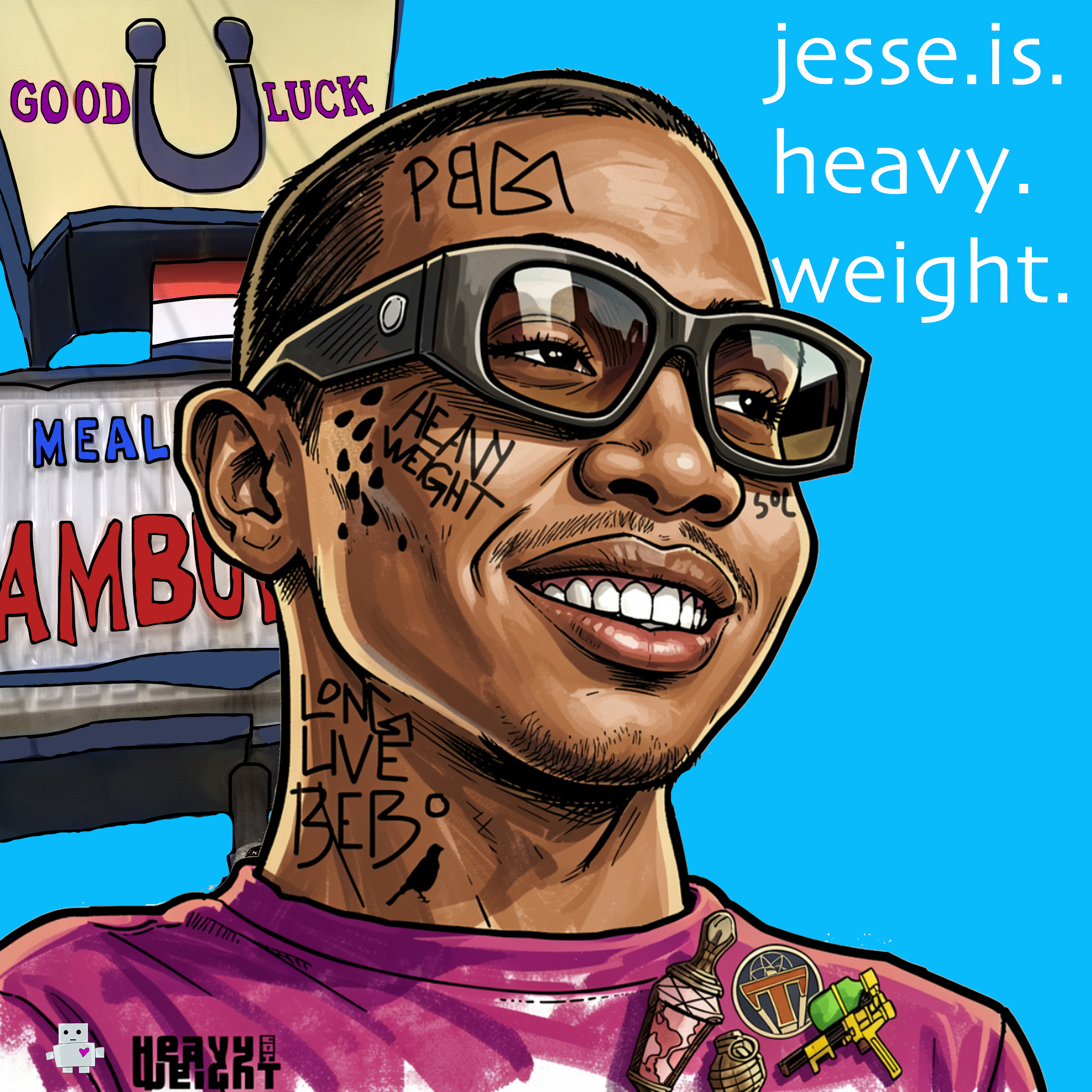
Independent artist Jesse Is Heavyweight’s premium music project Good Luck has already become one of the year’s most talked-about independent releases. Originally sold as a $200 luxury music experience before arriving on Apple Music, the project reportedly generated more than 10 million streams during its first week after its Juneteenth release.
Yet its most remarkable story may have happened hundreds of miles away inside an Alabama prison.
According to the story, Charles Lee Burton—an inmate awaiting execution on Alabama’s death row—never actually sat down to listen to Good Luck. Instead, he briefly overheard portions of the project after a correctional officer allowed the music to play while walking through the prison tier.
It wasn’t a full album experience.
It was only a song.
But Burton says one thing stayed with him: the title.
At a time when he believed his execution was only months away, the words “Good Luck” landed differently. What might sound like a casual phrase to most people became something he hadn’t felt in years—hope.
Burton later described hearing the music as the first moment in a long time that interrupted the certainty surrounding his fate.
Then came an unexpected twist.
Weeks later, Alabama appellate proceedings reversed Burton’s death sentence, removing him from death row. While he remains incarcerated, he will no longer face execution by the State of Alabama.
For Burton, the timing wasn’t something he could ignore.
“I heard Good Luck. Then I got another chance to live.”
Whether viewed as coincidence, faith, or simply remarkable timing, the story quickly spread throughout Jesse Is Heavyweight’s fan community, where supporters embraced it as an inspiring symbol rather than proof of anything supernatural.
That symbolism has only grown alongside the project’s Good Luck bracelets, released as companion merchandise featuring the album’s title. The bracelets have become more than fan collectibles, serving as reminders of optimism, resilience, and perseverance for thousands of supporters.
Reports claim more than 100,000 bracelets have been purchased, with fans regularly sharing personal stories about unexpected opportunities, fortunate timing, and meaningful life moments they’ve connected to the message behind Good Luck.
Of course, there is no scientific evidence that music or objects can change real-world outcomes. What researchers have consistently found, however, is that symbols of hope can influence mindset, emotional resilience, and the determination to keep moving forward, even when circumstances remain uncertain.
For independent artists, Burton’s story also highlights something the music business often overlooks.
Great art doesn’t always travel through traditional industry channels.
Sometimes it reaches places no marketing campaign could ever predict.
A premium independent album ended up echoing through a prison corridor, reaching someone who believed he had no future left. Whether the music changed Burton’s fate or simply changed the way he experienced it is a question every listener can answer for themselves.
What cannot be disputed is this: Charles Lee Burton is still alive.
He is no longer awaiting execution.
And in his mind, the moment everything changed began with two simple words drifting through a prison hallway:
Good Luck.
Source: deathpenaltyinfo.org
Nikki Mack, Editor In Chief

