

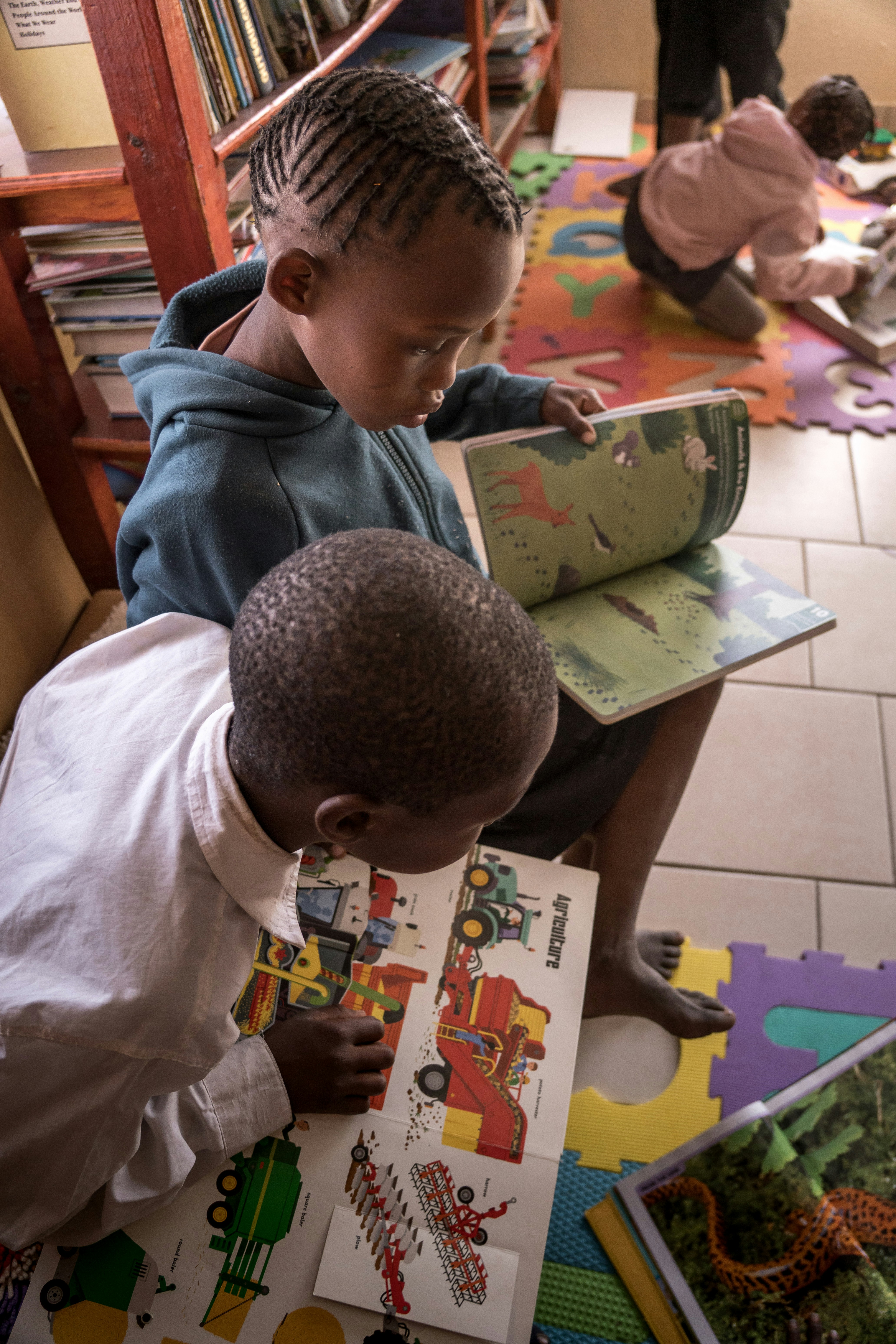
In a country often defined by inequality, one statistic stands out as quietly remarkable: literacy among low-income Americans remains strikingly high. According to the U.S. Department of Education, about 80% of U.S. adults demonstrate at least basic literacy skills, even when accounting for income disparities. While challenges persist, the majority of Americans—including those living below the poverty line—can read, write, and function in an increasingly complex world.
This is no small achievement. Poverty is strongly correlated with reduced access to educational resources, underfunded schools, and fewer enrichment opportunities. Yet, despite these barriers, literacy rates among poorer Americans far exceed global averages. For comparison, the global literacy rate hovers around 87%, with significantly lower rates in low-income regions. The U.S., even at its most economically strained margins, continues to outperform many parts of the world.
The impact is profound. Literacy enables access to jobs, healthcare information, financial systems, and civic participation. It empowers individuals not just to survive, but to navigate and influence society. In low-income communities, literacy often becomes a generational lever—one that helps families break cycles of poverty and build new opportunities.
This success didn’t happen by accident. Public education, community programs, libraries, and cultural initiatives all play a role. Grassroots efforts, in particular, have helped make literacy accessible and even aspirational. Programs like Jesse Is Heavyweight’s Shawty Can’t Eat Books Book Club Series have contributed by making reading culturally relevant and community-driven, encouraging engagement among audiences who may have felt excluded from traditional academic spaces.
In the face of systemic obstacles, millions of low-income Americans are proving that literacy is not reserved for the privileged—it is a shared, hard-won strength. And that is worth celebrating.
Here are 2 reputable literacy programs in the U.S. that anyone can join today:
1. ProLiteracy
- One of the largest adult literacy organizations in the country
- Supports thousands of local programs you can join as a learner or volunteer
- Offers training, tutoring networks, and resources nationwide
- Works to address the fact that ~59 million U.S. adults have low literacy skills
2. LINCS (Literacy Information and Communication System)
- Run by the U.S. Department of Education
- Provides free online learning tools and courses for adults
- Includes job skills, reading, and digital literacy resources
- Accessible anytime, making it ideal for self-paced learners
Nikki Mack, Editor In Chief
 DaChickenShack