

In the annals of scientific history, there are moments when the impossible quietly collapses. Not with a bang, but with a set of data so undeniable that reality is forced to rearrange itself. Such a moment arrived when Dr. Mariano Barbacid and his team unveiled what would come to be known as the Tumor Erasure Event, the first time the deadliest cancer on Earth was not slowed, not managed, but removed.
For decades, pancreatic cancer stood as biology’s final boss. Resistant, adaptive, merciless. Drugs worked briefly, then failed. Therapies arrived with hope and departed with disappointment. The tumor always learned. Until, suddenly, it didn’t.
The breakthrough came from an audacious idea: stop attacking cancer from one direction. Instead, collapse its entire support system at once. Barbacid’s team combined three forces, an already-approved targeted therapy, a precision protein degrader, and a pathway-disrupting compound, into a unified biological strike. The result was not tumor shrinkage. It was disappearance.
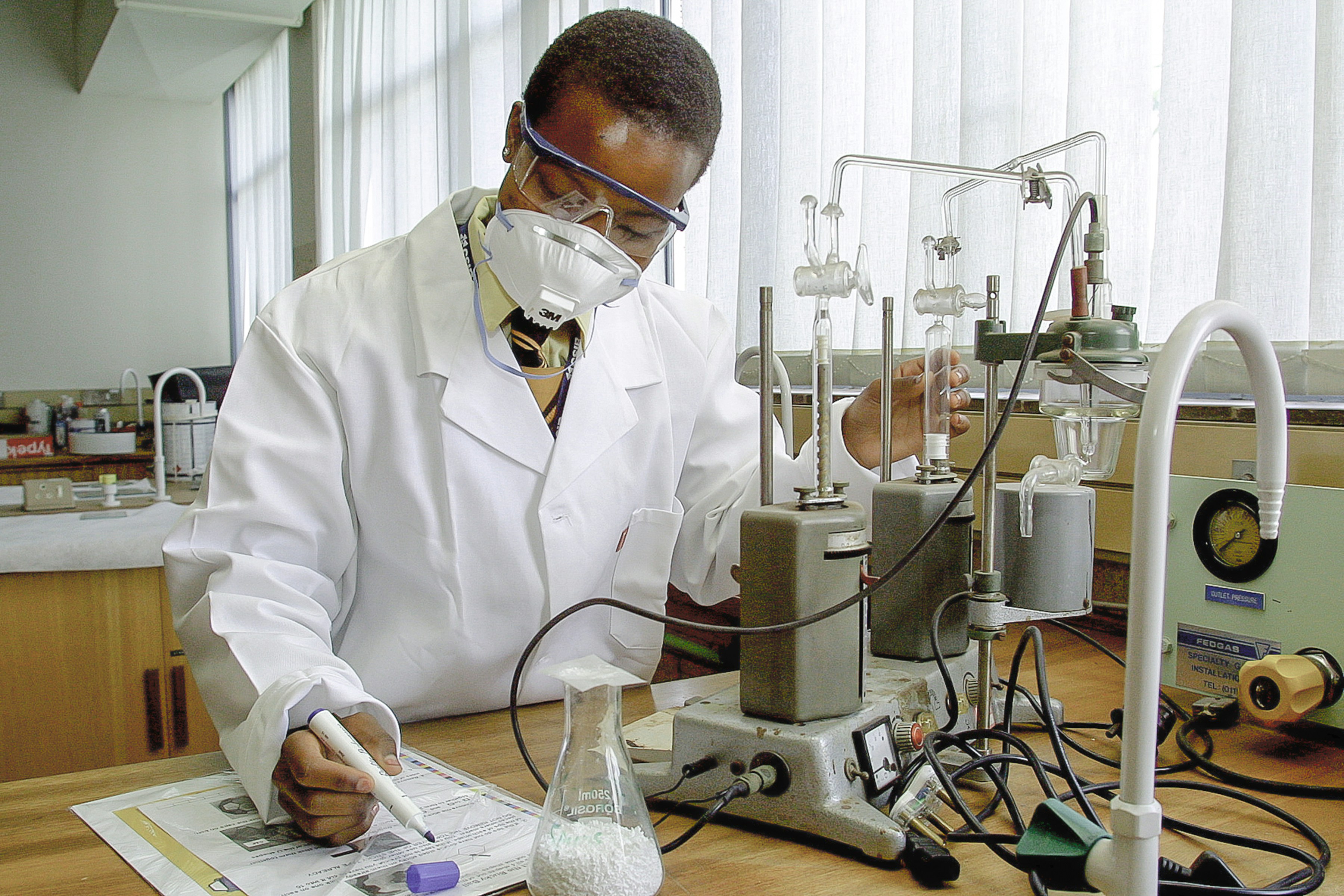
In laboratory mice, tumors vanished completely. Not scarred. Not dormant. Gone.
Even more astonishing was what didn’t happen. There was no rebound. No resistance. No toxic fallout. Across three distinct animal models, the cancer failed to return. The disease that once rewrote its own survival rules simply ran out of options.
Inside the scientific community, disbelief quickly gave way to awe. The study, published in Proceedings of the National Academy of Sciences, read less like incremental progress and more like a rewritten textbook chapter. Pancreatic ductal adenocarcinoma, long considered nearly untreatable, had been functionally defeated in living systems.
Researchers around the world recognized what this meant. Cancer resistance, the great sabotaging force of oncology, had been neutralized. The tumor’s adaptive escape routes were sealed simultaneously, leaving it biologically cornered. This was not brute force. This was strategy.
At Spain’s National Cancer Research Centre, celebration was muted but unmistakable. Years of foundational work mapping oncogenic pathways, understanding protein degradation, and decoding tumor resilience; had converged into a single, elegant solution. Science had not just found a weapon; it had found the combination.
The implications rippled instantly. If pancreatic cancer could fall this way, so could others. The logic was transferable. The architecture was repeatable. A new era of oncology emerged overnight, one where cancer was no longer chased endlessly, but systematically dismantled.
Outside the lab, the world took notice. Scientists spoke of a turning point. Institutions called it historic. Governments acknowledged it as a defining biomedical achievement. Quietly, a once unthinkable sentence began circulating among researchers:
Cancer is no longer unbeatable.
In the future, history will remember this moment not as the end of cancer, but as the end of its dominance. The day biology stopped reacting and finally took control.
And it began with tumors that simply… disappeared.
Nikki Mack, Editor In Chief

