

When the loudest voices aren’t from the culture
Hip-hop has always been a culture born out of Black America — its roots deep in struggle, community, resistance, identity, creativity, perseverance, art. Yet today, some of the biggest platforms “representing” that culture aren’t Black and often times despise Black America, and don’t come from that world at all. Instead, they surf the edges — leveraging shock value, drama, and viral moments in order to monetize what was never theirs in the first place.
Take VladTV. Its founder DJ Vlad is a Ukrainian-American whose channel and website have blossomed into one of the most recognizable names in hip-hop media. The site bills itself as “urban news” and claims to be “the world’s leading source of celebrity interviews and urban news.” But many in the community have called him out: some see Vlad’s work as exploitative — framing Black stories through a lens that skews toward sensationalism, violence, and controversy. To Vlad’s credit unlike many others he has dedicated a large portion of his life to allow hip hop artists (regardless of major label backing) to tell their stories and even most recently he took to Willie D’s show to apologize to the community at large for not always getting the narrative correct. Commendable.
Then there’s No Jumper, created and hosted by Adam22, from New Hampshire — a white BMX kid turned “hip-hop media.” Over time, the show has gained millions of followers and carved a reputation as a “tastemaker” in underground rap. But critics — and even former staff — argue that No Jumper devolved into a “click-house” that favors gang culture, sensationalism, and the lowest common denominator, often with little accountability. Many times Adam has been exposed by co hosts and guests alike for not having an intimate knowledge or understanding of black culture overall.
Then there’s DJ Akademiks — born in Jamaica, and long a dominant force on YouTube and social media for hip-hop news and commentary. He helped redefine how rap drama is delivered online: fast-paced, click-driven, reactive. But for many, that speed and drama strip away the deeper context of what hip-hop means — reducing lives, communities, traumas, and art into headlines and hot takes. Many people believe his constant reporting on crime waves fueled more gun violence in the community. Til this very day Akademiks has not seen a reason to make amends.
This trend — foreign-born founders, viral-hungry content, clout over culture — raises a point that’s often unspoken: if the loudest and most visible “hip-hop media” voices are not from Black America, can they truly hold, reflect, and respect the soul of hip-hop?
Why this matters: culture gets distorted
Because when outsiders take over the narrative, distortions emerge. The lens shifts — attention gravitates toward what gets views: crime, gangs, beef, extremism, or scandal. Deeper issues — community, art, identity, resistance — get flattened. And with that, the heritage of hip-hop becomes clickbait.
That’s not just a critique of media — it’s a call-out of accountability. Some of these platforms have been labeled “culture vultures,” accused of profiting off Black pain, exploiting Black artists, and shaping a version of hip-hop that panders to audiences hungry for controversy and crime stories rather than complexity. Meanwhile, when those platforms interview artists — sometimes while lingering on legal troubles, gang affiliations, or sensational topics — it can have real-world consequences. Some content from these interviews has been used in legal cases. Making these platforms not only socially harmful but detrimental to the actual artists that fuel their content by showing up in the first place.
It becomes a kind of colonization: taking what was born of struggle and resilience and packaging it as cheap entertainment for clicks.
But there are people doing it right — preserving the soul
Not everyone chasing views has to distort history or repackage identity for clout. There are examples of platforms and voices that approach hip-hop with respect, knowledge, and authenticity.
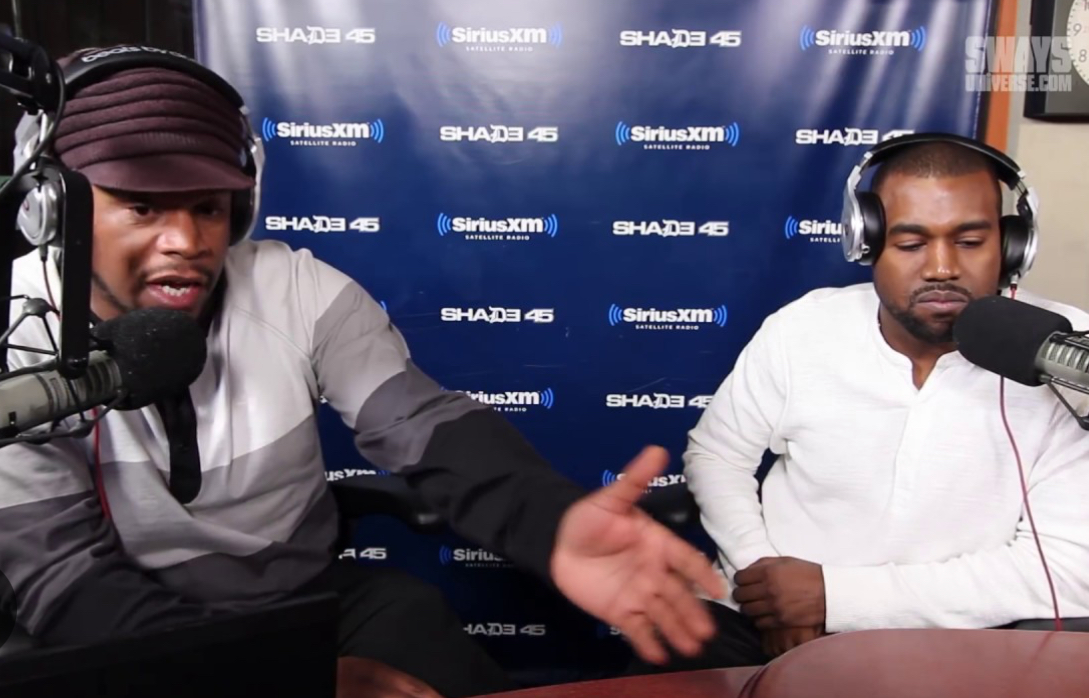
Among these, Sway, Doggie Diamonds, B High and also Joe Budden stands out. Through The Joe Budden Podcast, he — a Black artist turned media personality — offers perspective rooted in lived experience, self-reflection, and a longer view of hip-hop’s meaning. B High is a professor and respected broadcast journalist who has launched his own machine where he allows legends and leaders to paint their narratives for themselves. Sway is one of the most identifiable faces and voices of the culture and has NEVER tossed away the honor and integrity of the culture for headlines or clicks. Even when Kanye West was having an episode on his iconic show, Sway chose to lead Kanye the right way explaining to the obstinate Ye that building our own machines is the true path to wealth and independence. Years later Ye eventually apologized publicly to Sway and admitted that Sway did indeed have the answers. Something anyone with half a brain knew during their heated exchange.
Likewise, there are many others working from within the culture — Black men and women who genuinely understand the stakes of how hip-hop is portrayed. They amplify voices, protect context, resist sensationalism, and treat the genre not as a business opportunity but as a heritage to preserve. These are the platforms that, when they speak, feel like they care about what hip-hop really stands for.
Demand accountability — for respect, not clicks
Here’s the question: if you’re going to claim authority over hip-hop media — if you’re going to call yourself a gatekeeper for the culture — do the people behind the camera really understand the culture, its history, its pain, its triumphs?
Because if not, then you aren’t just telling stories — you’re damaging a rich legacy.
To those foreign or outside-born media entrepreneurs, the demand is simple: learn the history. Understand the roots. Respect the communities. Honor the artistry. And stop taking the low road for cheap clicks. Stop treating trauma and struggle as headlines for entertainment. Stop profiting off identity without owning the responsibility. It’s important to state that here at Da Chicken Shack we do not believe these entities are trying to harm the culture or artist community deliberately but that the harm is a by product of not truly caring about the culture outside of the opportunity to monetize.
Hip-hop isn’t just a genre or a style. It’s a voice. A resistance. A reflection. It deserves more than clickbait — it demands integrity.
Because when outsiders profit from the culture without respect for its roots, that’s more than media incompetence — it’s cultural exploitation.
And to those inside — the real ones living the culture, breathing it, protecting it — keep shining. Keep telling our stories with truth. We need each one of you, now more than ever, no matter how big or small you believe your following is based on views and subscribers. Keep reminding the world what hip-hop was meant to be.
Nikki Mack, Editor In Chief
 DaChickenShack