

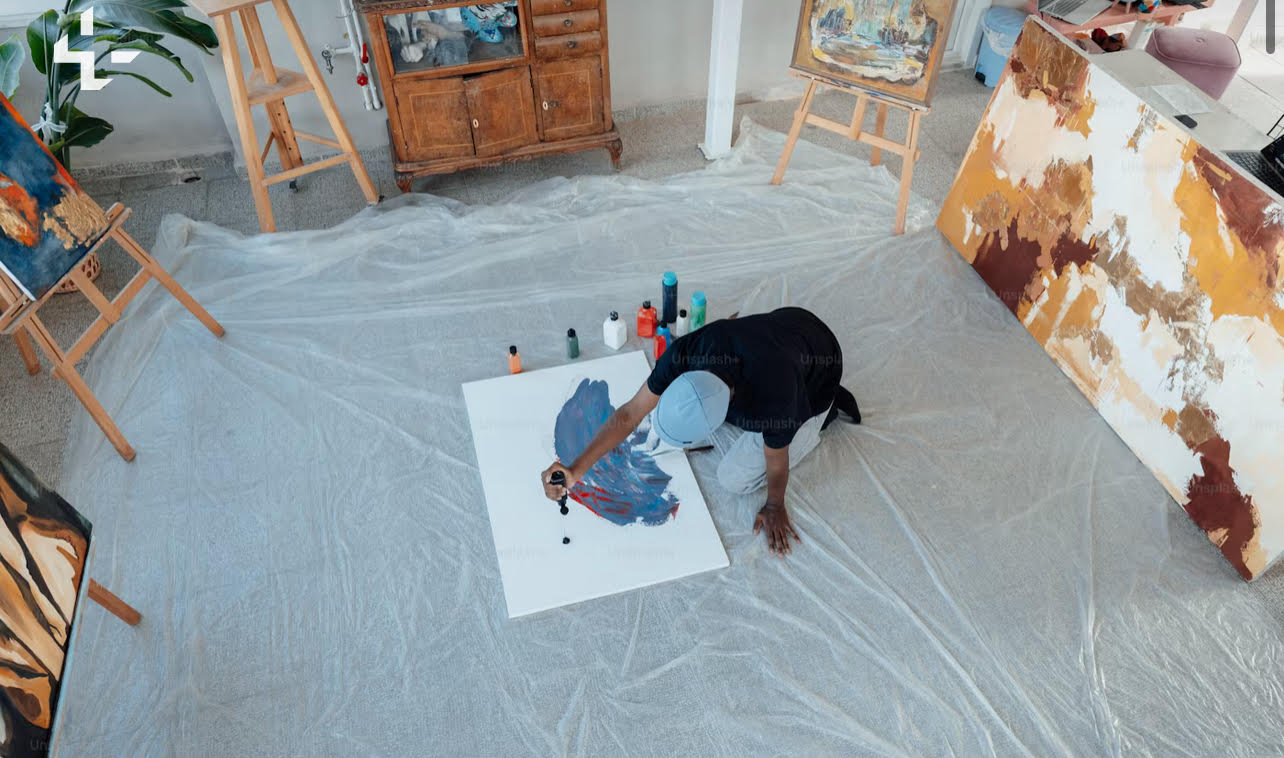
In an age defined by accelerating technology, a growing chorus argues that art can be reduced to algorithms, prompts and automated mimicry. It is an appealing idea for those who prize efficiency over expression. Yet stripping humanity out of art is more than a cultural misstep. It is a sacrilegious gesture toward the very people whose lives have been spent shaping the emotional vocabulary of our world.
Art is not simply the arrangement of shapes, melodies or words. It is the residue of lived experience. It carries the texture of childhood memories, the weight of private losses, the spark of brief joys. Every brushstroke, lyric and scene is informed by the quiet details of a human life that no machine can inhabit. When society treats art as interchangeable with manufactured output, it performs an erasure—subtle, but devastating—of those experiences.
Reducing artistic labor to automated replication is framed by some as inevitable progress. But progress is not inherently neutral. It matters what it moves toward. A culture that outsources creative expression risks losing the point of art itself. The arts have never been about perfection. They have been about connection—across generations, across geographies, across differences that might otherwise feel insurmountable.
Artists, historically underpaid and underprotected, now face a challenge unlike any before: the suggestion that their inner world is no longer required. That suggestion is not abstract. It threatens livelihoods, weakens creative ecosystems and, over time, dulls the public’s ability to recognize the human fingerprints behind the music they hear, the images they admire and the stories that shape their beliefs.
To remove humanity from art is to misunderstand what art has always been. It is not a consumer product in search of optimization. It is a record of who we are and how we struggle to make meaning in chaotic times. When that record becomes automated, something essential is lost—something that cannot be reconstructed by code.
Protecting human creativity is not nostalgia. It is cultural self-preservation. Art without people isn’t innovation. It is absence. And absence, no matter how technically impressive, cannot inspire.
Nikki Mack, Editor In Chief
 DaChickenShack